-
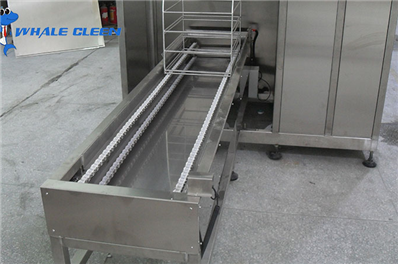 Precision Cleaning of Chemical Storage Tanks with Ultrasonic Technology
Cleaning chemical storage tanks is a critical process in maintaining safety and integrity within chemical production and storage facilities. The effectiveness of this cleaning process directly impacts the longevity and safety of chemical storage tanks. Ul
-
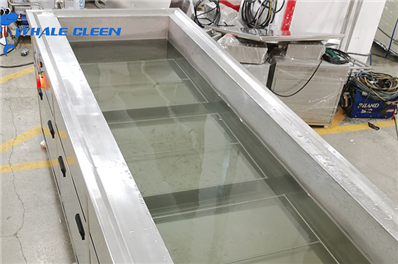 How to Disable Heating in Ultrasonic Cleaners: A Comprehensive Guide
I. Reasons to Disable Heating 1. Application Scenarios Temperature-sensitive materials: Plastics (deformation risk above 50°C) Biological samples (prot
-
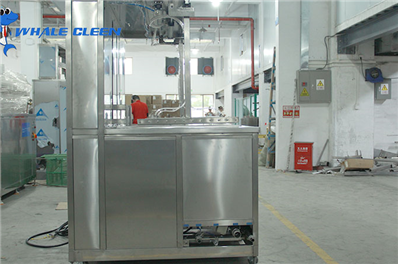 How to Measure an Ultrasonic Cleaner? Comprehensive Guide and Practical Tips
1. The Importance of Measuring Ultrasonic Cleaners The performance of an ultrasonic cleaner directly impacts cleaning efficiency and equipment lifespan. Regular measurement helps avoid issues such as: Reduced Cleaning Efficiency: Aging o
-
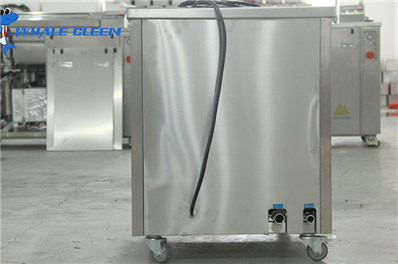 What Dental Instruments Can Be Cleaned with Ultrasonic Cleaners? A Professional Perspective
In the field of dentistry, maintaining the cleanliness and sterility of dental instruments is crucial to ensure patient safety and prevent cross-contamination. Ultrasonic cleaners have emerged as a highly effective solution for cleaning a wide range of de
-
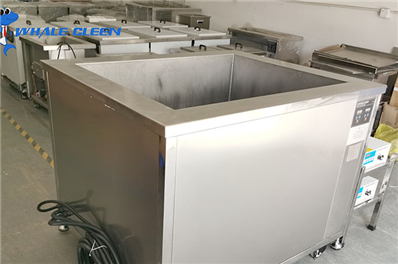 How Ultrasonic Cleaning Machines Enhance Hygiene Levels of Medical Equipment
Introduction In healthcare settings, the hygiene of medical equipment is critical to patient safety. Ensuring that medical devices are thoroughly cleaned and disinfected is a fundamental aspect of infection control. Ultrasonic cleaning has emerged as a
-
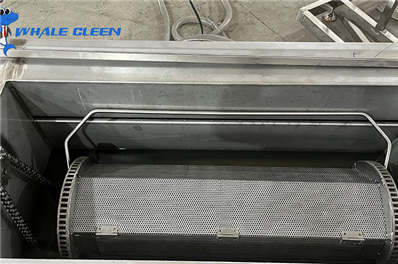 Meeting High Standards of Cleanliness for Electronic Products with Ultrasonic Cleaning Machines
Introduction In the electronics industry, the cleanliness of components and assemblies is paramount. Contaminants such as dust, oils, fingerprints, and residues can significantly affect the performance, reliability, and lifespan of electronic devices.
-
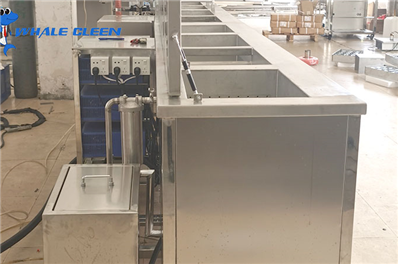 Addressing Pharmaceutical Cleaning Challenges with Ultrasonic Cleaning Technology
Introduction The pharmaceutical industry faces unique cleaning challenges due to stringent regulations, the need for high levels of cleanliness, and the necessity to prevent contamination in drug production. Ultrasonic cleaning technology has emerged a
-
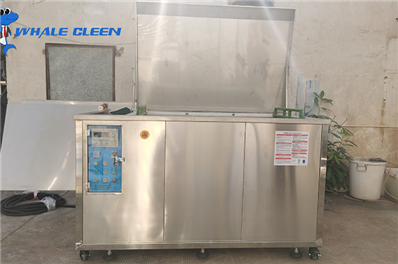 Titanium Plate Ultrasonic Cleaning Machine: Enhancing Industrial Surface Cleaning Efficiency
Titanium plate ultrasonic cleaning machines are advanced equipment specifically designed for cleaning the surfaces of titanium plates. They utilize the principles of ultrasonic vibration combined with appropriate cleaning solutions to effectively remove o
-
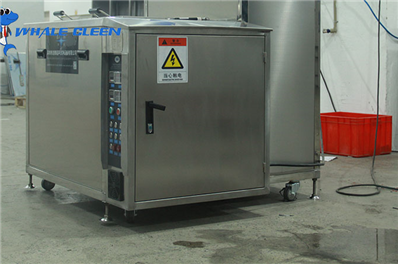 Guidelines for Water Replacement in Ultrasonic Cleaning Machines
In the realm of ultrasonic cleaning technology, the frequency of water replacement in ultrasonic cleaning machines is a critical aspect of maintenance and operational efficiency. The frequency of water replacement is contingent upon several factors, inclu
-
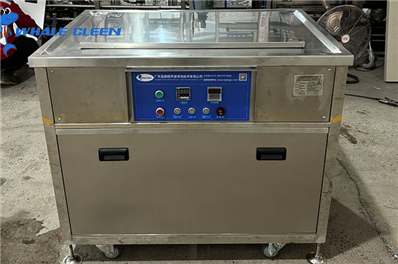 Determining Optimal Cleaning Time for Ultrasonic Cleaning of Aluminum Parts
Ultrasonic cleaning machines are widely used in various industries for cleaning metal parts, including aluminum components. Aluminum parts often accumulate contaminants such as oils, greases, metal fines, and oxides during manufacturing processes, which c
-
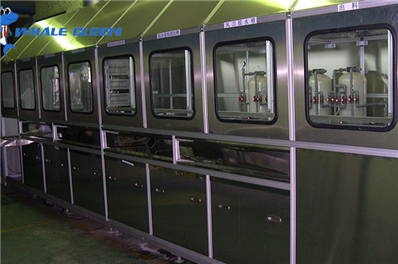 Optimal Trial Period for Ultrasonic Cleaning Machines: Balancing Evaluation and User Adaptation
The duration of a trial period for ultrasonic cleaning machines is a critical consideration that involves balancing the need for users to thoroughly evaluate the equipment's performance with the practicalities of adaptation and effectiveness assessmen
-
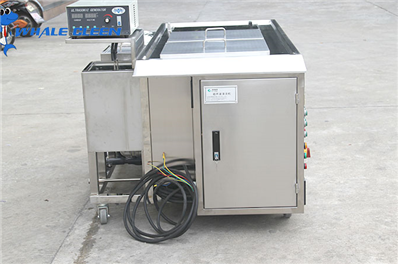 Ultrasonic Cleaning for Chemical Tank Residue Removal: A Technological Breakthrough
Cleaning chemical tanks is a critical aspect of ensuring safety and environmental compliance within the chemical industry. The utilization of ultrasonic cleaning machines has emerged as a cutting-edge solution for efficiently removing residues from the me